Would you like to rent out your home and not pay taxes?
Well, you can! And it’s due to a little tax provision known informally as the Masters Rule, as it was created with influence from those living in Augusta, Georgia.
What is the Masters Rule?
 In a nutshell, the Masters Rule allows a homeowner to rent out their home without reporting the income on their tax return.
The rental must comprise, in total, no more than 14 days – rent your home for 15 days, and all the rental income is considered taxable.
Multiple Properties – Can You Rent Out More Than One?
 Technically, you can rent out multiple properties for 14 days or fewer each – provided you make regular use of each property as your own residence, and have no other rental agreements covering the property in question.
What Types of Residences Can You Rent Out Under the Masters Rule?
 You can rent out:
- Your primary residence
- Your qualified secondary residence
- Your vacation home
- Your RV
- Your boat
As long as:
- The property is in regular residential use by you, the property owner, during the year
- No other rental agreement applies to the property
- The property represents a true dwelling unit, providing eating, sleeping, and toilet facilities
How Much Rental Income Can You Exclude From Your Taxable Income?
 That is the beauty part – as long as the rental is for no longer than 14 days, there is no limit to the amount of rental income you can exclude.
However, be sure you are pricing your rental home at a reasonable market value – a recent court case substantially reduced a claim under the Masters Rule as the amount of rent charged was well above the market rate for comparable space.
That said, there are times of the year when a residential rental in a specific area may be highly coveted and sought-after – and premium rental rates (as appropriate for your rental market in that time frame) may be legitimately charged and remain unreported as taxable income.
How Do You Protect Yourself?
 That’s a question you should always ask when considering a plan to exclude income from your tax return – no matter how thoroughly legal your plan may be.
It’s also a question you should always ask when you consider renting out your home.
We recommend:
- Keeping meticulous records of each rental – the names of your tenants, addresses, contact information, etc.
- Have a formal rental agreement drawn up and signed by yourself and your tenant(s) – and ensure it specifies very clearly a rental period of 14 days or fewer. The agreement should include any limitations as to the number of tenants permissible, and any provision for tenants’ guests (this provision may simply be a blanket prohibition if you choose).
- Get a healthy security deposit upfront from your tenants – one sufficient to cover any likely damages. This is especially important for those homeowners renting their residences out during events such as Mardi Gras, JazzFest, or sporting events which are likely to involve celebrations including alcohol consumption. You can write a provision into your rental agreement to provide you with recourse for additional recovery of damages if the security deposit does not cover everything.
Final Thoughts:
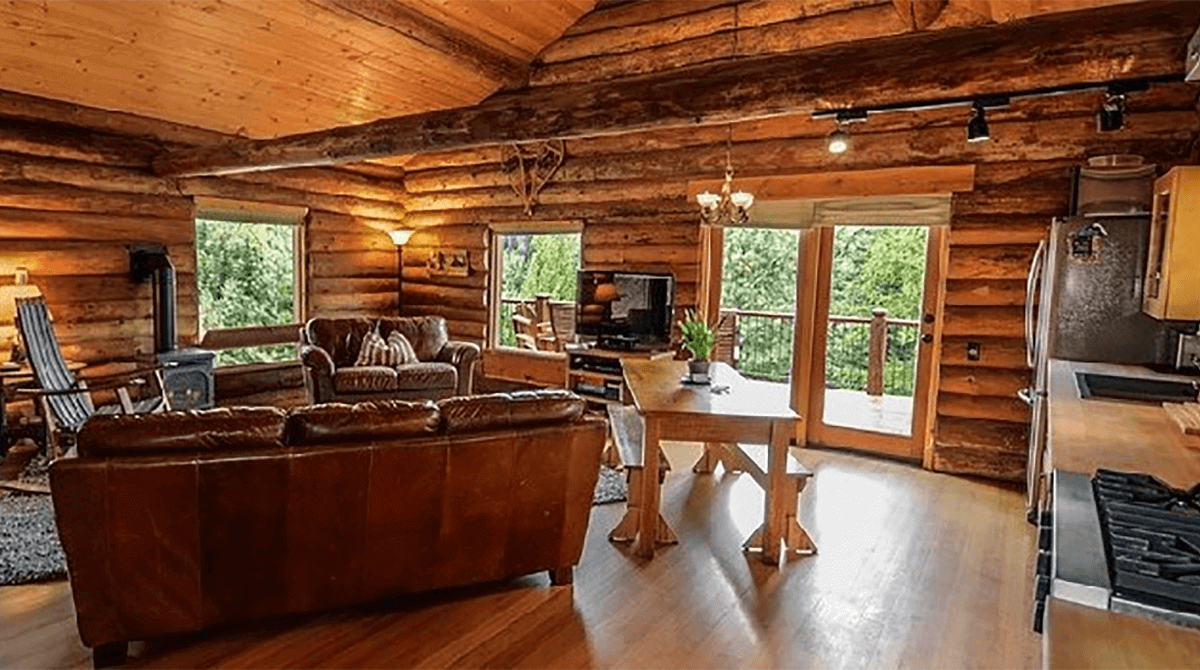 Renting our your home is a very different animal from renting out an investment property acquired for that purpose. You may think no amount of money is worth the angst – and for you, that might be the best decision.
But you may instead think this is a great idea, and be raring to go for it.
In either case, if there are any questions at all in your mind, we strongly recommend you consult with your CPA or virtual CFO before a final decision is made. Your financial advisor has the facts and resources to ensure that you make a well-informed decision – and information is one of the most powerful tools there is.
S/he can also help you draft a rental agreement which will thoroughly protect you and your home, and advise on the propriety of renting out other dwellings you own under the Masters Rule.
Thinking of renting out your home to make some extra money? Please click here to email us directly – let us advise you – that’s what we’re here for!
Until next time –
Peace,
Eric